|
|
|
Home Page > Nature of Shark Bay > Threatened Species |
Threatened Species of Shark Bay
Shark Bay World Heritage Area is a refuge for some of the world’s most endangered animals and plants. Its isolated islands and peninsulas have been largely spared the feral predators and habitat destruction that wreaked havoc on mainland Australia. The importance of these habitats in protecting vulnerable wildlife, and providing scientific information on the impact of habitat change, was a major factor in Shark Bay being declared a World Heritage Area.
|
Shark bay mouse (Pseudomys fieldi) |
Feral-free islands
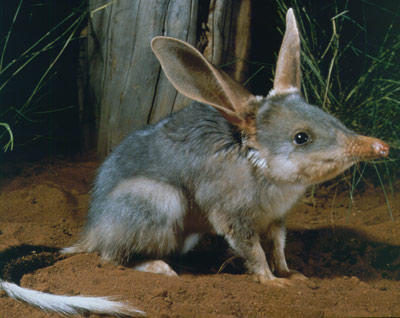
Two of Shark Bay’s islands, Bernier and Dorre Islands, are the last stronghold for five critically endangered land mammals – four of which occur in the wild nowhere else on Earth. These islands were isolated from the mainland when sea levels rose about 10,000-8,000 years ago, after the last ice age. The animals on these islands were thus protected from the introduced cats and foxes that destroyed so many species elsewhere in Australia.
In other parts of Shark Bay, cats, foxes and grazing stock have been removed in order to allow the ecosystem to rejuvenate. Captive-bred animals have been introduced to places such as Francois Peron National Park as part of Project Eden, a local conservation initiative. Find out more about Project Eden here. |
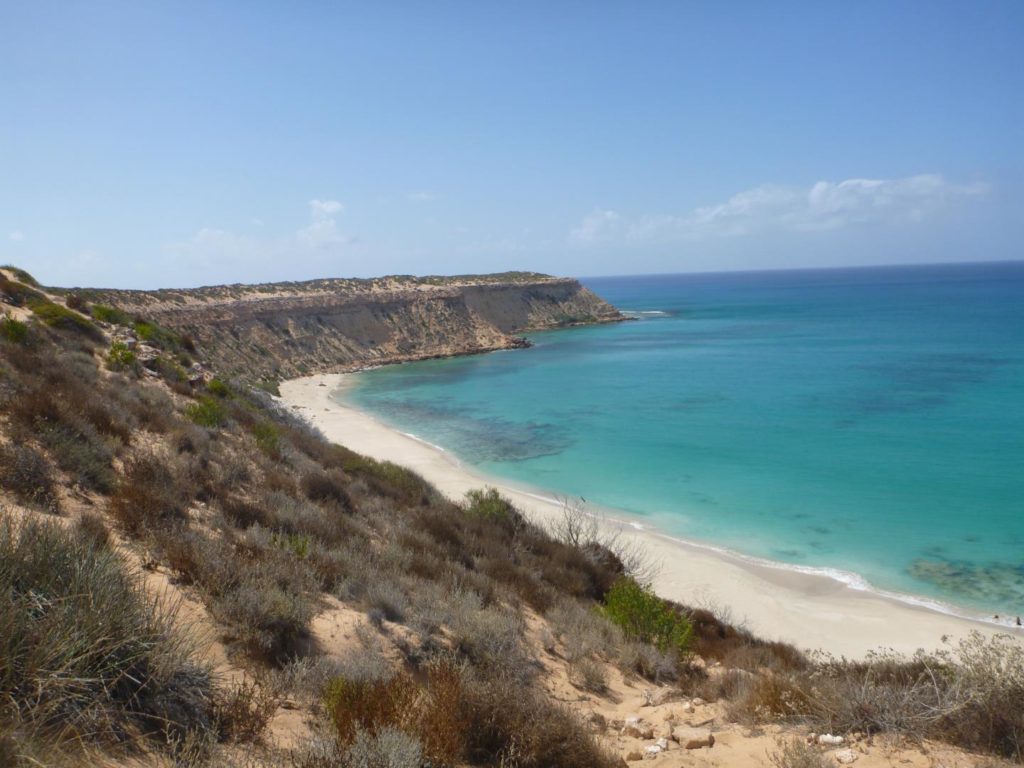
Dorre Island |
Animals and plants
Shark Bay also features many endemic plants, including two threatened species. Here is a list of some of Shark Bay’s threatened animals and plants. Click on the link to learn more about these species.
Reptiles
|
Spiny-tailed skink (Egernia stokesii) |
Fish
Plants
For more information about Western Australian wildlife, check out the WA Museum Fauna Base website. Learn more about Western Australia’s plants at the West Australian Herbarium’s FloraBase website.
|
|
 |
|
| |
|
|